Bathroom and Kitchen Shades: What Material Actually Matters
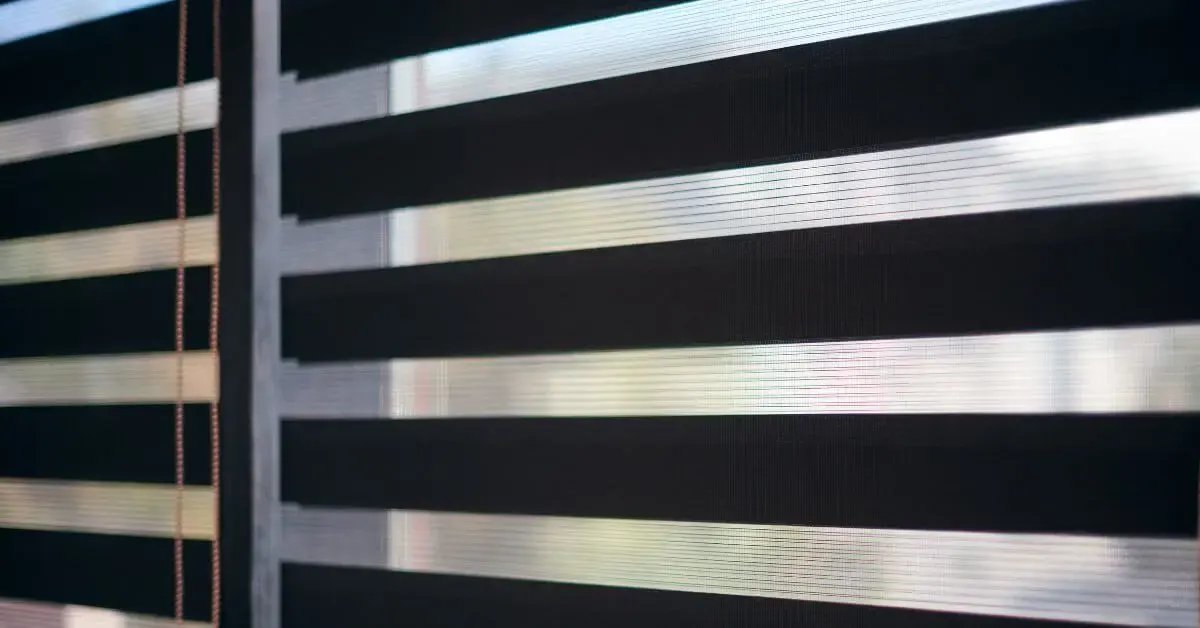
The window over a kitchen sink gets used differently than any other window in the house, opened and closed, looked through, and splashed near constantly, which changes what actually holds up there.
How Humidity Changes What You Should Hang
Not every material reacts to humidity the same way, and understanding why helps explain the recommendations instead of just following them blindly. Wood is a natural, porous material, so it absorbs and releases moisture as humidity swings, expanding and contracting with every cycle until the finish cracks or the slat itself warps out of true.
Faux wood is a PVC or composite core, which is effectively waterproof at the material level. It doesn't absorb anything, so a humidity swing that would eventually damage real wood does nothing to a faux wood slat beyond maybe a slightly cooler surface temperature. That's the entire explanation behind why faux wood dominates bathroom recommendations in Lawrence and everywhere else, it's chemistry, not marketing.
Hardware That Doesn't Rust or Swell
Whatever privacy solution gets chosen, the hardware holding it in place needs to survive the same steam exposure the fabric does. A top-down bottom-up mechanism has more moving parts than a basic roller, which means more metal components exposed to humidity over time.
Stainless steel components and sealed housings handle that exposure without seizing up or rusting, which matters more on a mechanism with moving parts than it does on a simple bracket. Confirming this at the time of ordering saves a Lawrence homeowner from a shade that looks great for a year and then starts sticking.
Even a well-chosen mechanism benefits from an occasional check, especially in the first year. A quick look to confirm nothing's binding or sticking catches a developing problem while it's still a five-minute adjustment instead of a full hardware replacement down the road.
The clearest way to know what will actually hold up on a specific Lawrence window is to have it measured and looked at in person. A free in-home measure from Lawrence Window Treatments can walk the bathroom and kitchen windows together and flag which materials make sense for each one.
The Trouble With Windows Over a Sink or Tub
The window closest to the water source fails fastest, which makes sense once you think about it: it's the one getting hit with the most direct steam and the occasional splash. A wood blind over a tub often shows warping years before an identical blind elsewhere in the same bathroom on a window farther from the shower.
This is also where reach makes a bad situation worse. A blind that's started sticking or warping over a tub is harder to fix or even inspect closely, since climbing into the tub to mess with it isn't something most people want to do, so a developing problem in that spot often goes unaddressed longer than it would anywhere else.
Retrofitting isn't always possible either. A kitchen island window or an unusually shaped bathroom opening sometimes has hardware that simply doesn't have a motorized or cordless equivalent available, in which case the more realistic path is a full product swap rather than trying to save the existing mechanism.
Getting Privacy Without Losing the Light
Bathrooms want privacy without turning into a cave, and a top-down bottom-up shade solves that specific problem well. You drop the top of the shade down to block the sightline at eye level from outside while leaving the bottom open, which lets light in from below without anyone seeing in.
A frosted or etched window film is another route entirely, letting light through as a soft glow while blurring anything behind it, though it doesn't give you the option to open the view back up the way a shade does. For a Lawrence kitchen window that faces a neighbor's yard or a street, a light-filtering fabric on a standard roller often does the job without needing anything more specialized.
It's worth thinking about how the room gets used at different times of day too. A bathroom that only needs privacy during a shower, with the door closed the rest of the time, might not need a permanent film at all, where a bathroom off a main hallway that gets walked past constantly benefits more from a covering left in one privacy-first position.
Keeping Grease and Steam From Ruining a Shade
Grease travels further than people expect, settling in a thin film on surfaces well outside the immediate cooking zone, including a shade that seems far enough from the stove to be safe. Over months, that film attracts dust and starts to look dull even with regular cleaning, especially on a woven or textured fabric that has more surface area for it to cling to.
A smooth vinyl or PVC-faced shade wipes down with the same all-purpose cleaner already under the sink, no special products needed. That single difference is usually what pushes a kitchen decision toward a wipeable material over a soft fabric roller, even when the fabric option looked nicer in the showroom.
Range hood strength plays a bigger role here than most people expect. A hood that actually vents outside, rather than recirculating air through a filter, pulls a meaningful amount of grease and steam out of the room before it has much chance to settle anywhere, including on the window treatment.
Frequently Asked Questions
How do I get privacy on a bathroom window without making the room dark?
A top-down bottom-up shade is the most common answer, since it blocks the sightline at eye level while leaving the top of the window open for light to come in. Frosted window film is the other main option, letting light through as a diffused glow across the entire window rather than just the bottom portion. Which one is better depends on whether you ever want to open the window up for a full view, since film is permanent and a shade isn't.
Do I need a special shade for a window right over a bathtub?
Not a special product exactly, but the material and mount matter more there than on an easier-to-reach window. Vinyl-faced or faux wood material handles the splash and steam exposure best, and the mount needs enough depth to clear any window crank or trim without the shade rubbing against it every time it moves. This is one of the windows worth having measured in person rather than estimating from a tape measure alone.
Why does the hardware matter as much as the shade material?
Because the hardware is usually the first thing to fail, not the fabric or slats. Bare steel brackets and clips corrode in a humid room well before a good faux wood or vinyl shade shows any wear, and once a bracket starts to rust, it can stain the wall behind it and eventually weaken enough to need replacing. Stainless or coated hardware costs a little more but generally outlasts the shade it's holding.
 A Room by Room Window Treatment Guide for Lawrence Homes
 Plantation Shutters in Lawrence: Measuring and Spec Guide