Sliding Glass Door Coverings in Lawrence: Getting the Style and Size Right
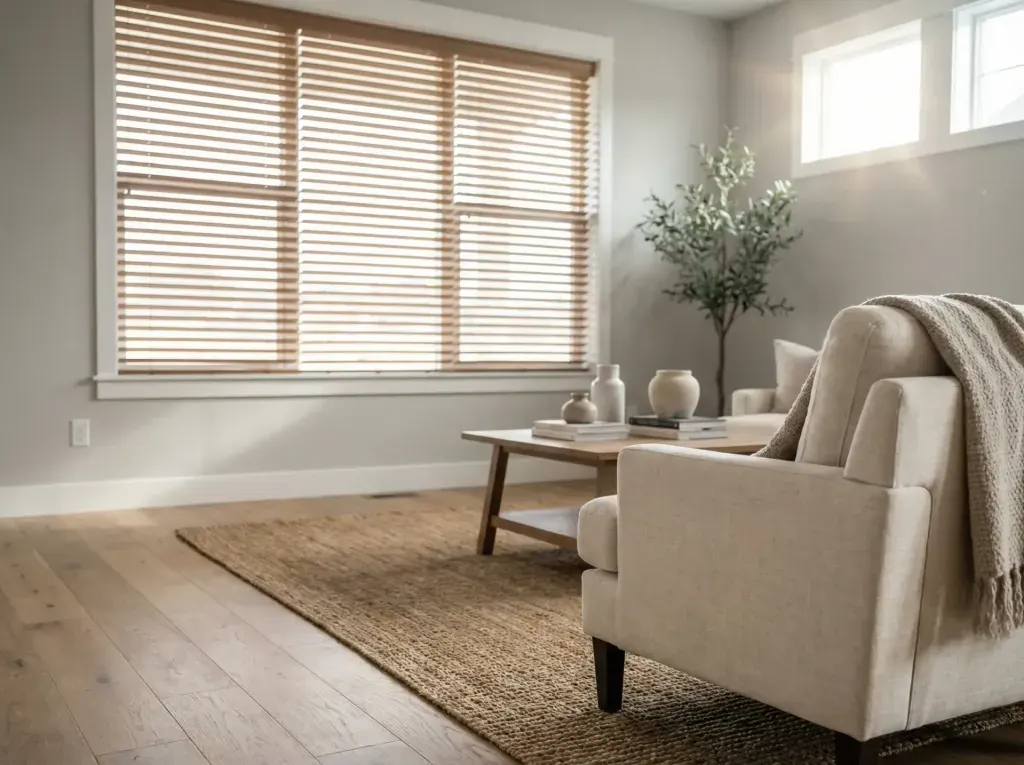
If a mini blind or a standard shade on your slider has ever looked slightly off, sagging in the middle or not quite stacking clear of the door, there's a reason for that, and it usually comes down to the product not being built for this particular opening.
Why a Standard Window Treatment Doesn't Work on a Slider
A sliding glass door isn't just a wide window. It's a moving wall, and most standard window treatments are built for openings that stay put. Mini blinds and standard cellular shades are typically made up to about 72 to 96 inches wide in one piece, and a lot of sliders run 6 to 9 feet across, sometimes more on a newer great room addition. Order the wrong product and you'll either be short on width or stuck with a shade that's too heavy for its own lift mechanism.
There's also the fact that someone has to keep walking through it. Whatever covers a slider needs to get fully out of the way, not just raised a little, every time the door opens. A treatment that half-blocks the doorway when it's open defeats the purpose of having a door there in the first place.
That combination, width plus daily foot traffic, rules out a few options that work fine on a regular window and points Lawrence homeowners toward a smaller list of products built specifically for this job.
What Sliding Door Coverings Cost
As a general national range and not a specific quote, a standard vertical blind for a typical slider runs $150 to $400 depending on material. Panel track for the same opening commonly runs $300 to $700, and a motorized shade spanning the full width often lands between $500 and $1,200.
Getting the sizing right the first time matters for the budget too, since a custom-cut treatment on a slider generally can't be resized or returned once it's been cut to fit. A remake because the width was measured off the glass instead of the full opening costs more than the extra time it takes to measure correctly.
A free in-home measure removes the guesswork on both the sizing and the price, which matters more on a slider than on almost any other window in the house given how much is riding on getting the width and the door clearance right the first time.
Measuring a slider correctly the first time saves both money and a second round of ordering. A free in-home measure handles that measuring for you and gives you a real number to work from, whether you're in Lawrence or IN communities.
Keeping Foot Traffic and Pets from Wrecking the Hardware
This is the section that matters most for Lawrence homes once kids and pets are in the picture. A cord hanging within reach of a window seat or a play area near a slider is a real hazard, not a hypothetical one, and it's one of the clearest reasons to choose cordless or motorized lift on this particular door regardless of what's chosen for the rest of the house.
Vinyl vertical blind vanes are about as close to indestructible as window coverings get, which is part of why they remain the default recommendation for a household with a big dog or young kids, even when a homeowner initially wants something softer looking.
For fabric options, keeping the shade raised during the hours the room gets the most activity, or scheduling a motorized shade to lift automatically during the day, reduces the wear and tear more than any single product choice will on its own. A shade that's only down when the room is quiet lasts a lot longer than one that's down all day, every day, in a high-traffic room.
Mounting and Sizing Around a Door That Still Has to Open
Getting the proportions right on a slider treatment in Lawrence means thinking about the opening as wider than it looks at first glance. The covering needs to extend a few inches past each side of the frame so the stack clears the doorway completely, which changes how the whole wall reads once it's installed, not just how the door functions.
Outside mount is standard here since slider frames rarely have the depth for an inside mount, and outside mount also lets the treatment run as wide as the design calls for without being boxed in by the frame itself.
Door hardware needs to be part of the plan from the start. The handle and the lock have to stay reachable once the brackets and stacked panels are in place, and if there's a screen door track outside the glass, that changes how far out the mounting has to sit, which can shift the whole visual proportion of the treatment more than people expect.
How the Main Slider Options Compare
Vertical blinds sit at the more affordable end of the lineup for a Lawrence slider, generally speaking, since the vanes are a simpler manufacturing process than a wide fabric panel system. They're also the option most likely to be readily available in a common width without a long custom wait.
Panel track blinds cost more than vertical blinds for the same opening, since the wider panels and the heavier overhead track add material and engineering. The look is more current for a lot of homeowners, and that's often worth the price difference to them, but it's a real difference worth planning for.
Cellular or roller shades land somewhere in between, depending heavily on whether the shade covers just the fixed glass panel or the full width of the door. A full-width motorized version costs meaningfully more than a shade sized to just the fixed section, since motorization and the wider fabric run both add cost.
Frequently Asked Questions
Will vertical blinds fit a really wide sliding door?
Vertical blinds handle width well since adding more vanes is straightforward, unlike a single continuous shade that has to be engineered as one wide piece. They're a common choice for wider sliders and multi-panel doors for exactly that reason.
Can I put regular cellular shades over my sliding door?
You can, though it usually works better sized to just the fixed glass panel rather than the full moving width, unless the shade is motorized. A manual lift across 8 feet or more of fabric gets heavy and tends to raise unevenly over time.
What's the difference between vertical blinds and panel track blinds?
Vertical blinds use narrow rotating vanes, usually 3 to 5 inches wide, that stack to one side. Panel track blinds use fewer, wider fabric panels on a similar stacking track. Panel track generally gives a cleaner, more modern look and typically costs more for the same opening.
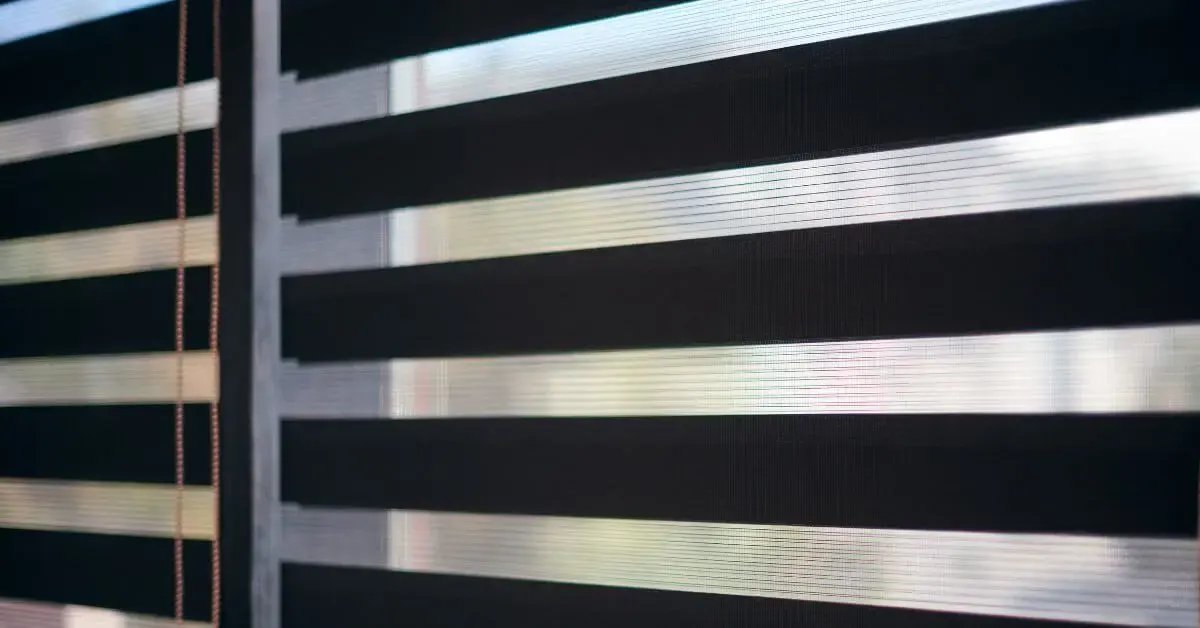 Zebra Shades Room by Room in Lawrence: A Design Playbook
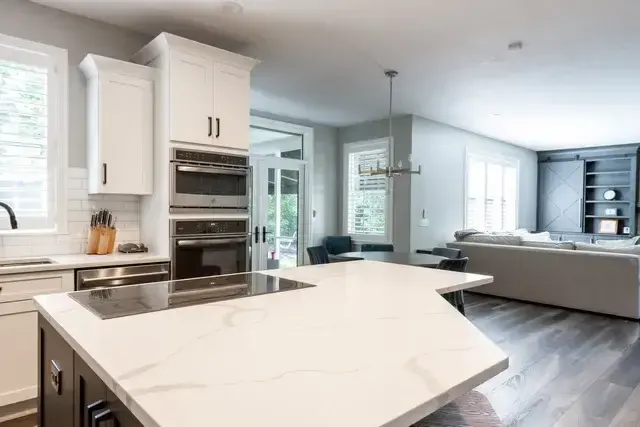 A Room by Room Window Treatment Guide for Lawrence Homes
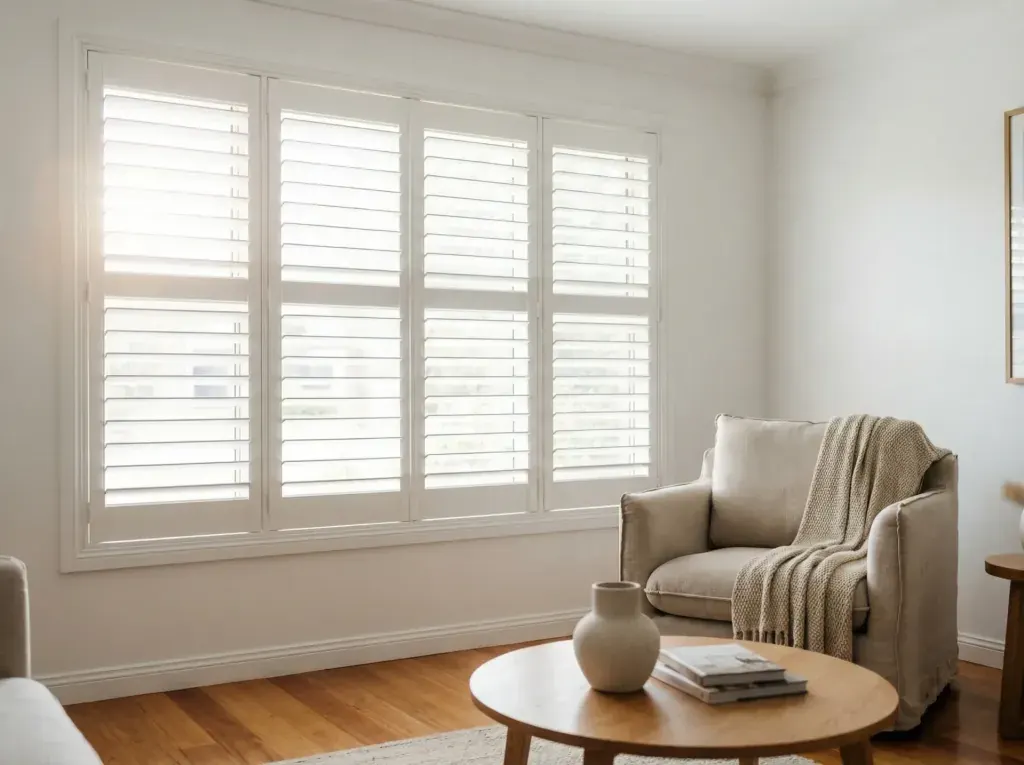 Plantation Shutters in Lawrence: Measuring and Spec Guide