Motorized Shades for Windows You Can't Reach by Hand
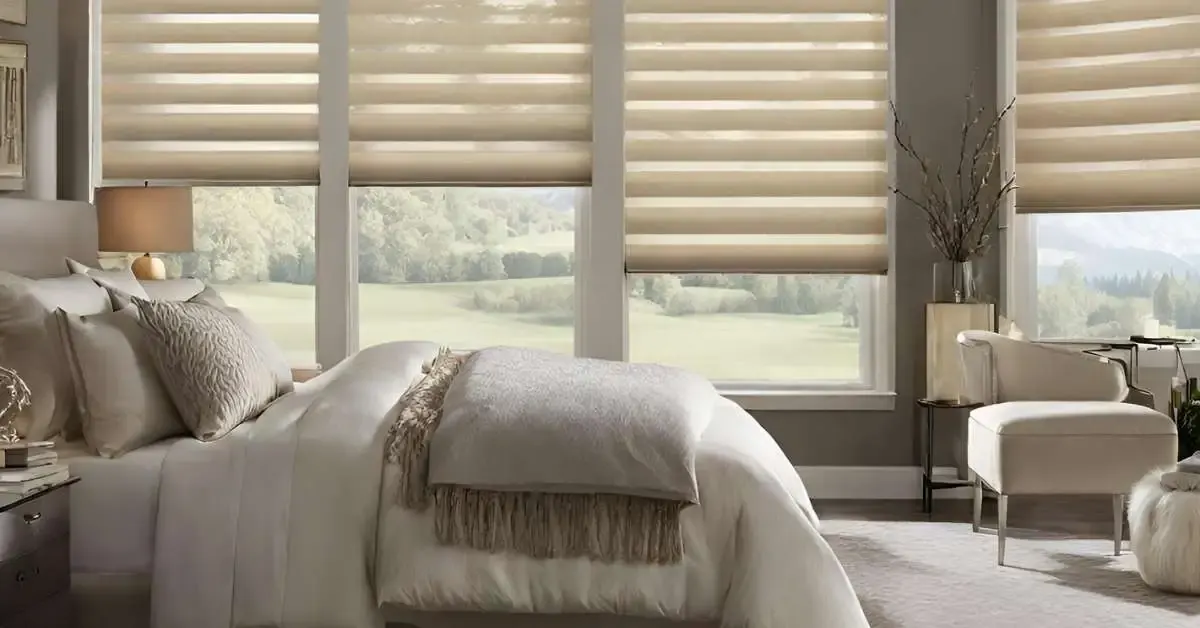
Covering a full wall of glass in a great room is a different budget conversation than a standard bedroom window, and it's worth understanding where the extra cost actually goes before getting a quote.
Why Size Pushes Hardware Past Its Limit
The configuration question, one shade or several, usually starts as a design preference and ends as a hardware decision. A single continuous shade looks cleaner with no visible break, but past a certain width, the hardware needed to support that single span reliably gets expensive fast, and at some point the sag and deflection problems outweigh the visual benefit.
A wide Lawrence window with even a slight width past what a single roller tube handles well is usually better served by splitting into sections, both for the hardware's sake and because the finished result tends to hold up better over years of daily use without the mechanism straining against its own weight.
This is also a case where personal taste genuinely matters and there's no single correct answer. Some homeowners want the cleanest possible look and will accept the hardware cost of pushing a single shade as wide as it reasonably goes, while others would rather split the window and save on the more expensive reinforced components.
One Shade or More Than One
Splitting a wide window into multiple shades affects cost less than people expect, since the total fabric and hardware needed is roughly similar either way, just distributed across more units. Where cost does shift is in the number of mechanisms and control points, since three smaller shades need three clutches or three motors instead of one large one.
As a national range, expect roughly $200 to $600 a window installed for custom shades sized for an oversized opening, with the upper end of that range more likely on a wide window needing reinforced hardware or a motor. A Lawrence quote for a full window wall should break down per-shade pricing so you can see exactly where the total comes from.
It's also worth asking whether a quote is pricing each section as a full custom shade or applying some kind of multi-unit pricing for a single window opening that's been split into pieces. Practices vary by installer, and the difference can matter on a window wall with several sections.
Measuring and Installing on a Window That Big
Squareness is the other big one. A window that's even slightly out of square, which is common on an older or custom-built opening, needs measurements taken at more than one height along the frame, not a single number applied top to bottom, and on a very wide window it needs checking side to side as well.
Skipping that step is how a shade ends up binding on one side or leaving a gap on the other once it's installed. A Lawrence installer measuring a tall or oversized window in person, checking multiple points and confirming access for both measuring and installing, catches these problems before they become an expensive reorder.
It's also worth checking the window's depth at the same time, not just its height and width, since some tall or custom windows have deeper trim or a wider sill that changes how much room an inside-mount bracket actually has to work with once everything else is factored in.
Getting an accurate cost picture for a window wall starts with an actual measurement, not a national average. A free in-home measure from Lawrence Window Treatments breaks the pricing down section by section so you know where the budget is actually going. Call (317) 999-5154 to schedule one.
Reaching the Control on a Window That Tall
This is the core problem motorization solves. A wand or cord requires a person to physically reach it, and on a window with a drop anywhere from eight to twelve feet, that reach simply doesn't exist without a ladder. A motor removes the reach requirement entirely, since the control point becomes a wall switch or a phone app instead of the shade itself.
Battery-powered motors work well for most residential applications and get recharged or swapped on a schedule rather than needing an electrician, while hardwired motors need power run to the window during construction or a renovation but never need battery attention at all. For a Lawrence home already under renovation, hardwiring during the work is usually the more convenient long-term choice.
Where All That Fabric Goes When It Stacks
Every shade that raises has to put the fabric somewhere, and on a tall window, that stack of raised fabric gets noticeably larger than it would on a standard window. A cellular or pleated shade with an eight or nine foot drop can stack up several inches of folded fabric at the top when fully raised, and that stack sits right in the sightline if the mount wasn't planned with it in mind.
This is why the mount location matters more on an oversized window than it does anywhere else. Mounting a headrail high enough above the frame to clear the stack, or choosing a lower-profile fabric that stacks tighter, keeps the raised shade from eating into the view on a Lawrence window that was probably chosen for that view in the first place.
Frequently Asked Questions
How tall does a window need to be before I need special hardware?
There's no single cutoff that applies to every product line, since different manufacturers rate their standard hardware differently, but as a general guideline, drops beyond roughly eight feet or widths beyond ten to twelve feet start pushing past what a lot of standard residential mechanisms are built for. Past that range, expect a conversation about reinforced tubes and heavier-duty clutches rather than a standard order.
Can I just order a wider or taller version of a normal shade?
You can usually order the size, since most manufacturers will make product to a wide range of dimensions, but ordering the size doesn't automatically mean the standard hardware handles it well. This is where a lot of disappointing results come from: a shade that technically fits the opening but sags or wears out faster than expected because the hardware wasn't upgraded to match the size.
Is motorization required for a very tall window, or just recommended?
It's not strictly required, since a long wand can technically operate a tall shade, but past a certain height it stops being practical. A wand extending eight or more feet is awkward to control precisely and often ends up dangling somewhere inconvenient. Most people who try manual control on a genuinely tall window end up motorizing it within a year anyway, so it's worth considering upfront.
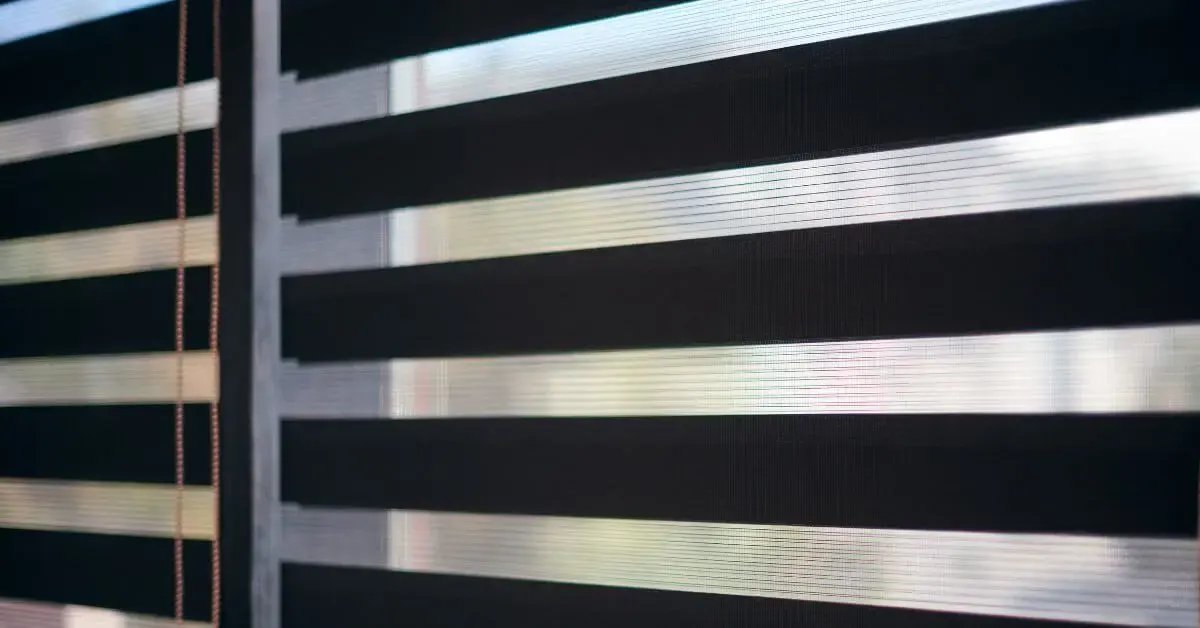 Zebra Shades Room by Room in Lawrence: A Design Playbook
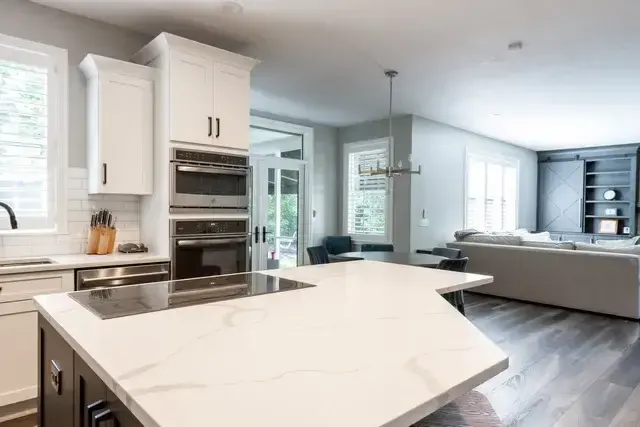 A Room by Room Window Treatment Guide for Lawrence Homes
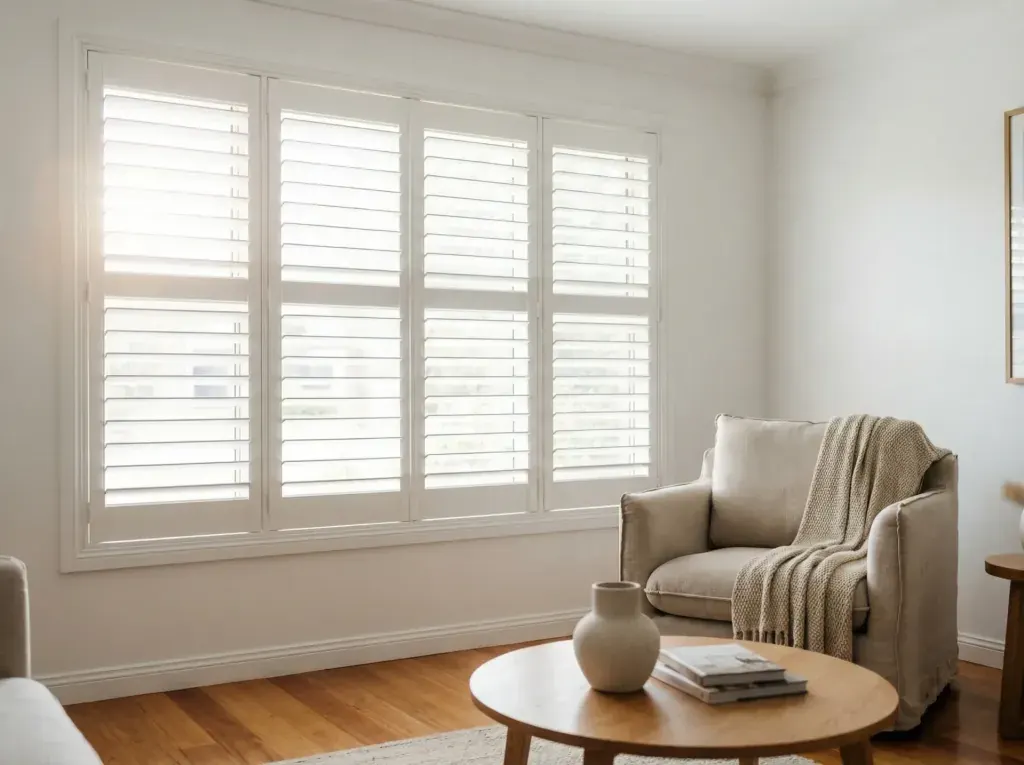 Plantation Shutters in Lawrence: Measuring and Spec Guide